
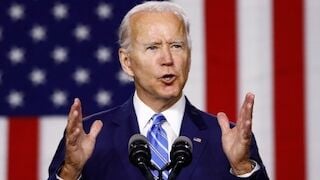
While the focus is on Trump’s future plans, it is equally important to analyze the economic legacy that Biden leaves behind after his presidency. The economic management of the current president has been marked by great global challenges, internal recovery policies and measures that have had mixed effects on markets, inflation and employment.
Joe Biden assumed the presidency in January 2021 amid an economic crisis stemming from the COVID-19 pandemic. The closure of businesses, the drop in consumption and disruptions in supply chains had hit the US economy hard, which was in the process of recovery after the 2020 crash.
Under this context, The Biden government implemented a series of expansive economic policies aimed at reactivating the economyprotect working families and modernize the country’s infrastructure. These measures, although they promoted significant growth in the first years, alson contributed to challenges such as increased inflation, which has marked much of his mandate.
Biden’s main economic policies
The Biden administration has focused its economic management throughout these years on three main pillars: post-pandemic recovery, modernization of infrastructure and strengthening the middle class.
The American Rescue Plan
Approved in March 2021, this $1.9 trillion economic stimulus package had the main objective of reactivating the economy after the pandemic. It included direct payments of up to $1,400 to citizens, extended unemployment benefits and funds targeted to small businesses and state governments.
This measure was key to stimulating consumption and reducing unemployment, although critics also argued that it contributed to inflationary pressure.
The Bipartisan Infrastructure Investment and Jobs Act
One of Biden’s most significant legislative victories was the passage of a $1.2 trillion package aimed at modernizing the country’s infrastructure. This law has funded highways, bridges, public transportation, clean energy and broadband projects, with the goal of creating jobs and strengthening America’s long-term economic competitiveness.
The Inflation Reduction Act
In response to the growing problem of inflation, this law, approved in 2022, sought to reduce the fiscal deficit, control the costs of medicines and encourage investment in clean energy. It included tax incentives for renewable energy production and measures to reduce carbon emissions, reflecting a commitment by Democrats to the transition to a green economy.
Strengthening employment and national industry
During the Biden administration, policies were implemented to strengthen domestic production and reduce dependence on foreign suppliers, especially in key sectors such as semiconductors and advanced technology. The CHIPS and Science Act of 2022 allocated $280 billion to encourage chip manufacturing in the United States, seeking to strengthen the country’s economic and technological security.
Economic results of Biden’s term
Biden’s economic management has had evidently mixed results.
Economic growth and employment recovery
Following the fiscal stimuli implemented, the United States economy experienced rapid growth in the first years of Biden’s term. The unemployment rate, which reached historic levels during the pandemic, fell to 3.6% in 2023, one of the lowest figures in decades. In addition, millions of jobs were created, recovering a large part of the positions lost during the pandemic.
Inflation and rising cost of living
One of the biggest economic challenges during the Biden administration has been rising inflation. In 2022, inflation peaked at 9.1%, the highest in 40 years, driven by strong demand, supply chain disruptions and the effects of the war in Ukraine on energy and food prices.
Although the Federal Reserve implemented restrictive monetary policies to control inflation, this situation generated an increase in the cost of living, mainly affecting middle and lower class families.
Fiscal deficit and public debt
The expansive policies of the Biden government have also increased the fiscal deficit and public debt, which has generated criticism from conservative sectors. While the government argues that investments in infrastructure and clean energy will bring long-term benefits, increasing public spending remains a topic of debate.
Advances in energy transition
The Biden administration has pushed policies to accelerate the transition to clean energy, positioning the United States as a leader in the fight against climate change. Investments in solar, wind and electric vehicles have grown, although the results are still incipient and will face challenges in terms of implementation.
With the possible return of Donald Trump to the presidency, the economic future of the United States could take a different path. Trump has promised to reduce taxes, eliminate regulations and adopt protectionist policies to favor domestic industry. Time will have the last word.