
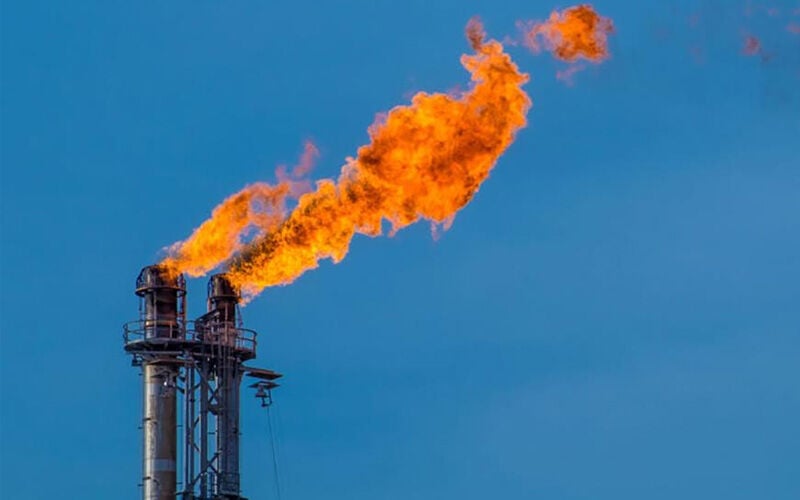
The measure, according to documents consulted by Reuters, seeks to strengthen the European Union’s commitment to its energy independence strategy after the invasion of Ukraine in 2022.
The European Commission had proposed to progressively eliminate the gas of Russian origin by early 2028. However, Several Eurodiputados have raised the tone, raising the deadlines and hardening the conditions of the future community energy regulations.
A legislative offensive from Parliament
Inese Voidere, of the European Popular Party, and Ville Niinisto, of the Green Group, lead the initiative that claims to accelerate the calendar to completely cease gas purchases from Russia. Among the amendments presented, the possibility of Impose sanctions on companies that fail to comply with restrictions, including licenses to operate in the European energy market.
In addition to gas, some political groups propose to expand the veto to Russian oil from that same date, although this option is not yet in the official proposal of the Commission. The drivers consider that the current context requires firmer and faster measures.
Reluctance of some governments
Meanwhile, the Member States are divided. Countries like Hungary or Slovakia, which still receive Russian gas through gas pipelines, have expressed their rejection of a more aggressive calendar.
Even so, community diplomats point out that these positions would not be enough to block the plan, since the measure would be approved by qualified majority.
Parliament is expected to vote for its definitive position this fall. It will be then when negotiations with national governments begin. From Brussels, it is considered that this debate can mark a turning point in European energy policy.
Progressive fall of the dependency
The evolution of the supply in the last two years reinforces the viability of the plan. In 2021, about 45% of the gas consumed in the EU came from Russia. In 2023, that figure was reduced to 19%, and by 2025 it is estimated that it will fall to 13%, thanks to alternative routes such as the Turkstream gas pipeline and LNG imports from other countries.
The current commission proposal contemplates the beginning of the progressive withdrawal from 2026, especially limiting short -term contracts. However, with the parliamentary impulse, this road map could be further cut.
A strategic turn in European energy policy
The pressure to advance faster in energy disconnection does not respond only to economic reasons, but also geopolitics. After decades of dependency of Moscow, the EU seeks to show determination and cohesion in its response to war in Ukraine. The control of the energy supply has become a key strategic axis in the relationship with Russia.
According to some Eurodiputados, hardening the calendar would also send a clear signal to other supplier countries: Europe is willing to assume deep transformations for guarantee its long -term energy autonomy.
Expectation before parliamentary vote
The expected vote for autumn in Parliament will be decisive. Not only will it mark the position of legislators against Russian gas, but will also set the tone for future negotiations with member states. Although divisions exist, the political climate seems favorable to a firmer position.
The evolution of the conflict in Ukraine, the situation of energy prices and the EU’s ability to diversify its sources will determine whether this commitment to accelerate the end of the energy relationship with Moscow becomes an official policy. For now, Brussels debate not only when to cut the supply, but also how to do it in a coordinated and effective way.