
Throughout history, the Women economists have played a key role in the evolution of economic thought and in the promotion of important political reforms, challenging dominant theories in an area traditionally led by men. His influence It has been decisive in areas such as investment, economic regulation and financial planning. Over time, the female role has gone from managing family assets in the background to leadership of some of the most powerful financial institutions in the world.
This analysis highlights ten fundamental figures that not only broke glass ceilings, but also redefined concepts such as the theory of value, market regulation and institutional investment strategies.
1. Hetty Green (1834–1916)
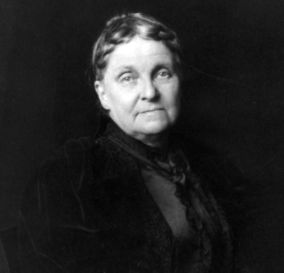
Known as «The Witch of Wall Street» for his austere appearance and ruthless conduct in business. She was known for always dressing in black, wearing old clothes, and spending as little as possible, even on her personal well-being. She was the richest woman in the Gilded Age.
Hetty Green’s strategy was based on extreme savings and the strategic foresight. It mainly invested in real estate, government bonds, and railroad stocksalways looking for assets that are undervalued and resistant to financial crises and panics. Your ability to detect opportunities It made it prosper during times of economic uncertainty and even became a lender of last resort for the city of New York. Its relevance lies in its strict strategy of value and liquidity investing.
Hetty Green died on July 3, 1916, leaving a fortune estimated at about 100 million dollars.
2. Muriel (Mickie) Siebert (1928–2013)
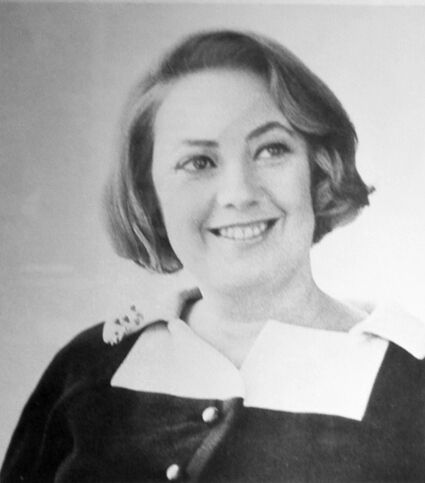
Known as the «First Lady of Wall Street». It broke a great barrier when, in 1967, it became the first woman to have a seat on the New York Stock Exchange (NYSE). During that decade she was the only woman among the more than 1,300 stockbrokers there were. Besides, founded Muriel Siebert & Companythe first investment firm run by a woman.
Was pioneer in discount brokeragetransforming the commission structure that allowed retail investors access to the market.
And in 1977, Muriel continued to break established boundaries by becoming Superintendent of Banks of New York from where he supervised some of the most important financial institutions in the country.
3. John Robinson (1903–1983)
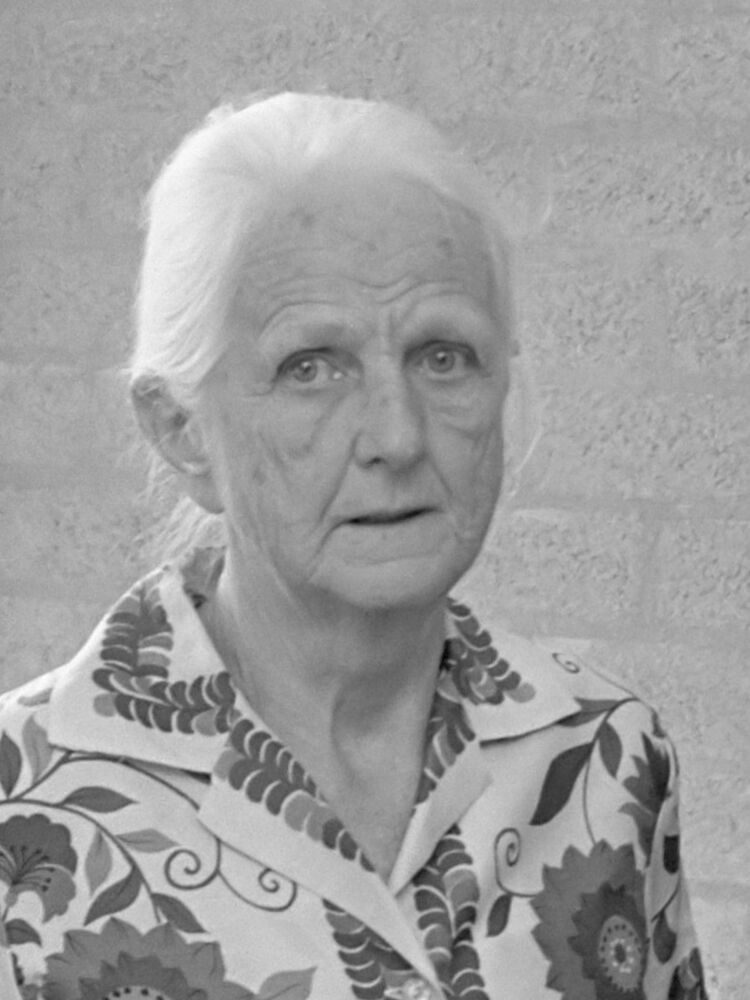
British economist who played an important role in the development of Keynesian economics and a firm defender of post-Keynesian thought. Considered one of the most influential economists of the 20th century, developed the theory of monopolistic competition.
His contributions on capital and economic growth challenged neoclassical theoriesinfluencing how states analyze price formation and public investment.
4. Elinor Ostrom (1933–2012)
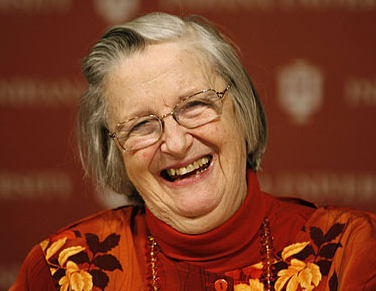
First woman to win the Nobel Prize in Economics (2009).
His research showed how common goods can be managed efficiently by communities without the need for privatization or excessive state regulationimpacting investments in sustainability and natural resources.
And it is interesting to know that she was a political scientist by training and an economist by profession. Furthermore, it became the first person in his family to have a college degree.
5. Janet Yellen (1946–Present)
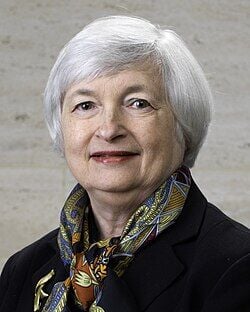
It is the first person in US history to have led all three key economic institutions: the Council of Economic Advisers, the Federal Reserve (Fed) and the Treasury Department. Its interest rate decisions have directed the direction of global financial markets over the last decade.
It should be noted that she is an American economist from the Brookings Institution, PhD from Yale University in 1971, professor of economics from 1985 to 2006 and professor emerita at the University of California at Berkeley.
6. Christine Lagarde (1956–Present)
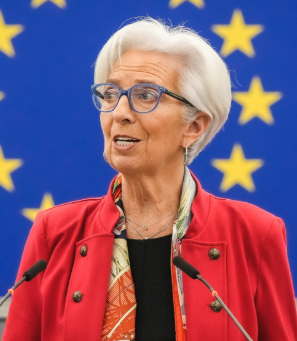
French lawyer, economist and politician, former director of the IMF and current President of the European Central Bank (ECB). He is the central figure in managing the stability of the euro. Under him, the ECB has integrated climate change as a financial risk factor into its monetary policy strategy.
They are leadership has been clave in taking economic decisions for the stability of the European Union.
7. Abigail (Abby) Johnson (1961–Presente)
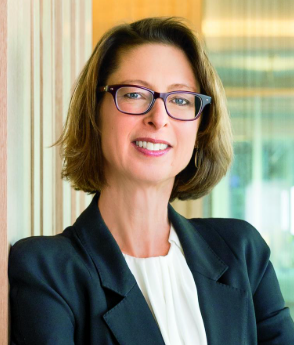
He is a prominent American business figure and investor, Since 2014, she has held the position of president and CEO for the United States of Fidelity Investments. (more than $4 trillion under management), one of the most influential asset management firms globally. In addition, he holds the presidency of the sister company, Fidelity International.
They are investment philosophy is based on the Extensive research, patience and diversification. She has been a strong advocate of active fund management, focusing on seeking market opportunities and creating well-balanced portfolios. His pragmatic approach has led Fidelity to continued success and attracted investors from around the world.
One of the highlights of his career was leading Fidelity’s expansion into the investment advisory business, providing clients with access to a broad range of financial planning and personalized asset management services. AND has been key in the institutionalization of cryptocurrenciesFidelity being one of the first large firms to offer digital asset custody and trading services for institutional investors.
Abigail Johnson’s vision and leadership have left a lasting mark on the financial industry, establishing it as one of the most powerful and respected women on Wall Street.
8. Geraldine Weiss (1926–2022)

Known as the «Grand Lady of Dividends». It was the first woman to found a service of investment advice, Investment Quality Trendsthus revolutionizing the world of investment by focusing on dividends as a key indicator of the financial health of companies.
For years he used the pseudonym «G. Weiss» to hide that she was a woman and avoid the prejudices of the time. When he finally revealed his identity, he had already proven the effectiveness of his investment strategies, with a annual profitability of more than 12.3% between 1986 and 2002even surpassing the Wall Street average.
They are strategy was based exclusively on the Dividend yield as an indicator of real valuea fundamental pillar of modern conservative investing.
9. Kristalina Georgieva (1953–Presente)
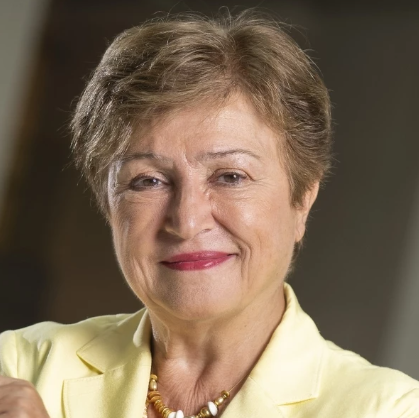
Current Managing Director of the International Monetary Fund (IMF) and served as CEO of the World Bank from January 2017 to October 1, 2019.
He has led the global financial response to the COVID-19 pandemic and the debt crisis in emerging markets.overseeing the historic allocation of $650 billion worth of Special Drawing Rights (SDRs) to stabilize the global economy.
She was born in Sofia, Bulgaria, in 1953. She has a PhD in Economic Sciences and a Master’s degree in Political Economy and Sociology from the Sofia University of National and World Economy, where she served as an associate professor from 1977 to 1991.
10. Cathie Wood (1955–Present)
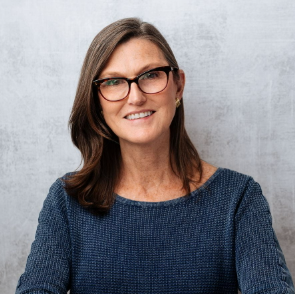
Founder and CEO of ARK Invest, a firm that invests heavily in «disruptive» technology.
She became better known to the public in 2020 when its ARK Innovation Fund obtained a performance of almost 150% that year.
has become the face of thematic investing in disruptive innovation. Despite the volatility of its funds, its focus on artificial intelligence, genomics and blockchain has changed the way investors look at future growth versus traditional value.
The relevance of these women is not a question of demographic representation, but of macroeconomic efficiency. The data from the IMF and the World Bank are exhaustive: the full inclusion of women at financial decision-making levels is not an act of social justice, but rather an imperative for growth. It is estimated that parity in financial decision-making could reduce market volatility by 15% and add a net value to global GDP of $28 trillion by the end of the decade. We are not facing a story of improvement, but rather the reengineering of the global economic engine.
New Newsletter and WhatsApp channel for professionals
Investment Strategies launches its canal de WhatsApp Asset Managersaimed at investment professionals, private bankers, fund selectors and distributors, and financial sector professionals.
You can also sign up for free so that every Wednesday you receive our newsletter with exclusive content for professionals.