
The result is an imbalance in the trade balance that worries analysts. The pace of growth in gold imports, combined with the decline in key export sectors, has put pressure on the exchange rate and the country’s ability to manage a deficit that is escalating quarter after quarter.
The trade deficit marks a historical record in October
The trade deficit in goods reached in October $41.7 billioneasily exceeding market expectations. The figure not only exceeded $28.8 billion estimated by Reuters polls, but also left behind the previous record of $37.8 billion registered in November 2024.
The increase is especially relevant because it occurs in a period where moderation was expected, as there were signs of cooling in several foreign markets.
This deterioration coincides with the escalation of imports, driven mainly by goldwhose demand skyrocketed during the month due to the coincidence with local festivities of high symbolic value.
Gold multiplies its weight in the country’s imports by three
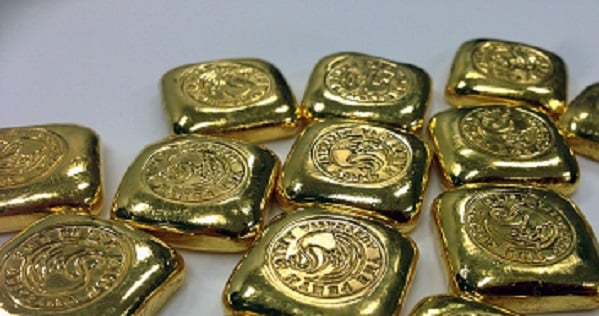
The main driver of this imbalance has been the massive entry of gold, which reached $14.7 billion in October, an increase close to 200% compared to the same month of the previous year.
India, one of the largest global consumers of the metal, experienced a buying spree during the central days of the October festival, when it is estimated that the population purchased gold worth 11 billion dollars.
Experts point out that the combination of tradition, family savings and the perception of gold as a financial refuge has driven this peak. Holiday demand is usually high, but this year’s figures exceed any recent record, becoming the most disruptive component of the country’s foreign trade.
US tariffs sink Indian exports
While imports grow, exports to the United States – its main trading partner – suffer a sharp decline. Since the tariffs came into force 50% At the end of August, India had two consecutive months of decline in its shipments to the US market.
In October, exports to the United States fell to 6.3 billion dollarsespecially affecting sensitive sectors such as gems and jewelry, light engineering, cotton and synthetic yarns.
The export of gems and jewelry fell to 2.3 billion dollarsa decrease in 29,5%while engineering goods were located in 9.4 billion dollarswith a retreat of 16,7%.
Even so, in the first 7 months of the fiscal year, the United States maintained its position as the main export destination, with accumulated purchases of 52 billion dollars.
China gains weight as a buyer in a context of international tension
In parallel with the decline in the United States, Indian exports to China grew strongly. In October they increased 42%reaching 1.6 billion dollars.
This partial change in the composition of trading partners helps soften the blow, but does not compensate for the magnitude of the decline in sectors historically dependent on the US market.
Current account deficit will widen significantly
The forecasts are not optimistic. According to ICRA Research, a subsidiary of Moody’s, imports should be reduced between November and December due to the end of the festive season, but this drop will not be enough to contain the external deterioration.
The firm anticipates that the current account deficit could be between 2.4% and 2.5% of GDP in the third quarter of the fiscal year ending in March 2026.
If the tariffs of 50% remain until the end of the fiscal year, the deficit could close in 2026 around 1.2% of GDPincreasing the pressure on the currency and on the country’s fiscal and monetary policy.
Negotiations between Washington and New Delhi are not moving forward
Bilateral talks to reduce trade tensions remain without agreement. Although the White House has suggested the possibility of reducing tariffs, no progress has been made. India, for its part, has increased its purchases of American gas and oil with the aim of rebalancing the bilateral balance and favoring rapprochement.
An increase in the import of agricultural products from the United States is also planned.