
-
They claim that Amazon gold is exchanged for USDT and then exported.
-
The organization calls for increasing financial surveillance to include emerging payment methods.
A recent technical report published by the organization Global Initiative Against Transnational Organized Crime (GI-TOC) has exposed a profound transformation in the dynamics of gold trafficking in the Amazon region.
The investigation details how the mineral black market would be adopting digital technologies, specifically the stable cryptocurrency USD Tether (USDT), to speed up the movement of capital and circumvent the supervision of international financial organizations.
According to the report, the flow of illicit gold has followed routes that connected extraction centers with traditional export markets. However, data collected between 2024 and 2025 shows a reversal of these patterns, where gold from countries such as Brazil and Guyana is being redirected to new border collection nodes.
This structural change has been driven by the tightening of control regulations in neighboring nations and the attractiveness of markets that offer lower levels of regulatory transparency.
The report highlights the fundamental role of cryptocurrencies in the modernization of this clandestine trade. According to supply chain specialists, a significant part of the gold traded in border areas of Brazil and Venezuela is currently settled via USDT.
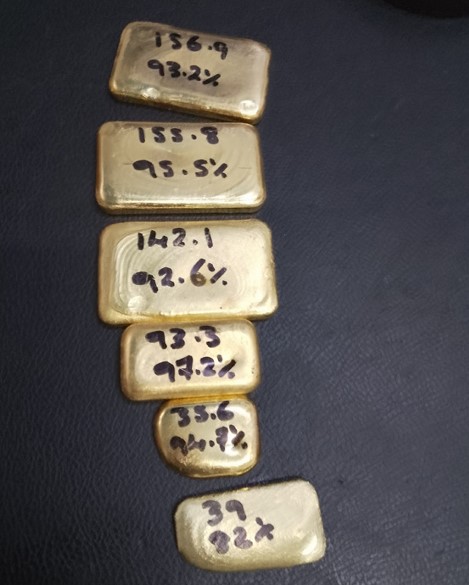
This modality allows trafficking networks to carry out immediate cross-border transactions that bypass the conventional banking system, drastically reducing exposure to due diligence protocols and eliminating the physical risks associated with transporting large sums of cash.
In logistical terms, the city of Boa Vista, in the Brazilian state of Roraima, has established itself as the operational epicenter of this network. Through the use of roads and a network of clandestine airstrips, illegally mined precious metal is transported from remote deposits to aggregation centers.
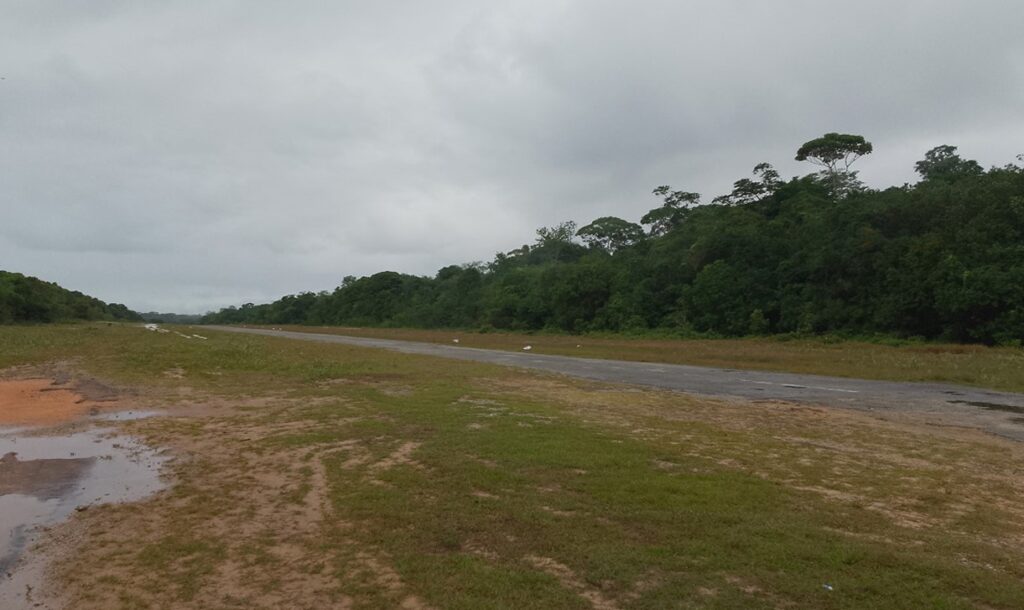
The aerial infrastructure gives traffickers a high capacity to adapt, allowing them to modify their routes quickly in the face of any increase in police surveillance of the area, say GI-TOC researchers.
This phenomenon is developing in a context of record prices for the precious metal, which reached $5,000 per ounce at the beginning of 2026, as reported by NoticiasVE.
Given the sophistication of these operations, the United States Senate is advancing in the discussion of the Gold and Mining Legal Association Act. This legislative project proposes a comprehensive strategy to break the links between mining and illicit actors, demanding stricter transparency mechanisms in all transactions linked to precious metals.
The report concludes that the transition to a digital gold economy represents a critical challenge for regional security. The GI-TOC warns that, without international cooperation that integrates the tracking of digital assets with the surveillance of physical supply chains, smuggling networks will continue to expand their reach in the Amazon.