
Thirty billion euros to open a passage under the Strait of Gibraltar, that is the figure that gives dimension to the project with which Spain and Morocco have decided to bet again after more than a decade in silence.
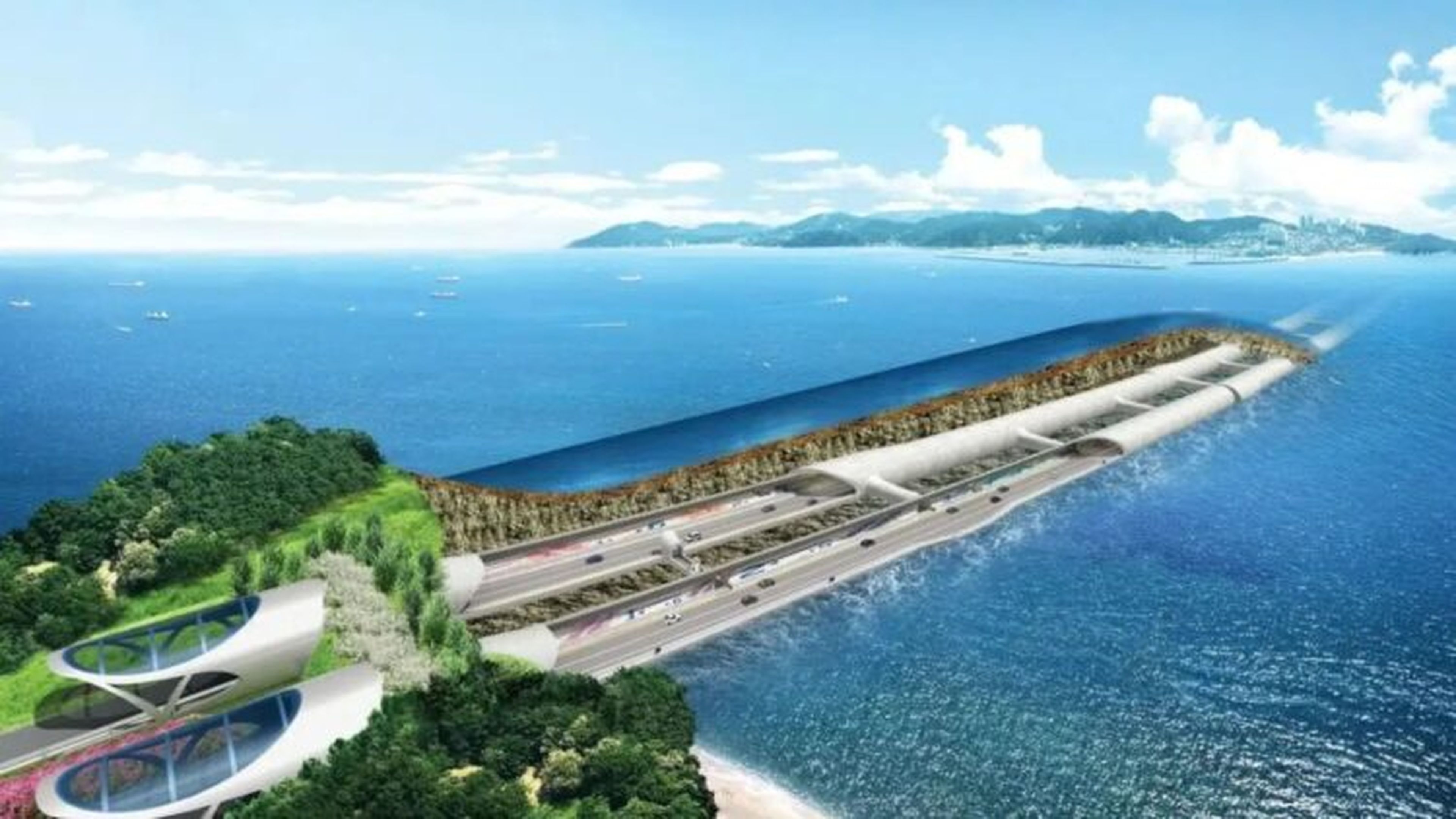
The plan is to dig a 60 -kilometer rail tunnel, 28 of them under waterto connect Europe with Africa and that, if the deadlines are fulfilled, it could be operational in its first phase in 2040.
It is an infrastructure designed to reduce logistics costs, accelerate trade, strengthen tourism and, above all, strengthen the strategic relationship between two continents that today depend on maritime traffic for their exchanges.
The megaproject that will link two continents
The idea is not new, since For more than three decades, the possibility of joining Spain and Morocco has been proposed under the Straitalthough the project has gone through long periods of pause. Now, with the support of Brussels and a new interest shared by both governments, it has gone back.
It should be noted that the European Union has allocated 4.7 million euros for viability studies, in charge of the Public Dryegsa company, which marks the real start of a decisive stage. The chosen route will run through the Camarinal thresholda complex geological corridor that requires digging 300 meters under the seabed.
As mentioned Ecoticsthe calculations point to an exclusively rail tunnel, designed for passenger and merchandise trafficking. With 60 kilometers long, it will exceed ambition even to the link that Denmark and Germany build under the Baltic, becoming the longest submarine tunnel on the planet.
The value of the project is not measured only in excavated kilometers, since having a direct link between Europe and Africa would transform international logistics. Shipments would be reduced, transfer times would be shortened and companies could compete more strongly in global markets.
In the end, the impact would be immediate for key sectors such as automotive, agriculture or energy. Tourism would also be reinforced, since A direct train journey between Madrid and Casablanca or between Seville and Tangier would open new routes for millions of travelers.
Even the academic field would benefit, facilitating the mobility of students and researchers between European and African universities.
But not everything is economy because the project is raised as a cultural and social bridge. A door that diversifies markets and opens opportunities on both sides of the Strait, reinforcing historical links that have so far been conditioned by the sea barrier.
There are many challenges to achieve it
Ecotics
Building a tunnel of these dimensions in such a hostile environment is not a simple task. The sea currents of the Gibraltar Strait are one of the most intense on the planet, and the seismic activity of the area forces a design with huge security measures.
Engineers must face an excavation in extreme conditions, 300 meters under the seawhich raises both the risk and the cost of the work. The project calendar speaks of two phases, with a first commissioning planned by 2040.
But even the drivers of the tunnel recognize that the deadlines will depend on technical advances and the joint financing capacity of Spain and Morocco. It is a colossal challenge that will test the engineering and politics to the same extent.

Beyond the numbers, it touches sensitive fibers in the geopolitics of the Mediterranean. Europe would first have a land connection with Africawhich would reinforce its influence on a key continent for the energy, demographic and commercial future of the world.
But, on the other hand, for Morocco, it would mean consolidating as the great gateway to the continent. For Spain, a strategic position reinforced as a connection axis between the north and the south.
The tunnel is not just a transport project, it is a symbol of economic and cultural integration where its construction would redefine the map of intercontinental communications and alter the balance of trade worldwide.
If expected, the longest submarine tunnel on Earth will not only change the way to travel and trade between Europe and Africa, it will also mark a before and after in the history of modern engineering.
Know How we work in NoticiasVE.
Tags: Space