
In Europe there are different types of electrical plugs, such as the well -known Schuko or those of the type E system. At first glance it does not seem that there are large differences between them, but if you look in detail, you will see that Some plugs include a small hole in the center of the male connector.
It should be noted that it is not a whim in the design of manufacturers or a defect in their construction. In fact, this hole has a concrete and fundamental function related to electrical safety throughout your home.
Although many times these details go unnoticed, actually They are part of a system designed to protect both people and connected devices. Have you ever wondered what exactly this hole is for? Here you have the answer.
Designed to guarantee home security
According to an electrician expert, the small hole that appears in some plugs fulfills an essential function, which is to guarantee a safe connection. In a nutshell, It is a grounding, a critical element in any electrical installation.
It serves to divert any excess current towards the ground and thus avoid a failure in isolation of an appliance ends up causing an electric shock or damaging the equipment.
In the E type E system, which is used in countries such as France, The hole is aligned with a metallic pin that stands out from the outlet. It is precisely that contact that Ensure land derivation. Thanks to this connection, the risk of discharge is considerably reduced.
It should be noted that Not all electric plugs share this design. In Spain, for example, it is usual to find type plugs Schuko (Type F)that instead of using a central pin, they incorporate two metal plates on the sides of the connector to make contact with the grounding. This makes the central hole unnecessary in many models.
However, like Type E and type f plugs are compatible with each othersome designs incorporate both solutions: the side plates and the central hole. In this way, the plug can be used in different countries without compromising security or functionality.
Therefore, if you see that hole in a plug, you are not facing any design, but before a hybrid model prepared to guarantee the grounding in different systems. It is a matter of compatibility and protection, not aesthetics.
The real importance of grounding
Most people may not pay attention to the grounding when it plugs an appliance, but their role is vital, and this system acts as a safe escape route before any electrical failure.
Therefore, if a current leak occurs, The grounding is responsible for directing it away from you and your devices. Without an adequate connection, that excess of energy could travel in exposed metal parts, endangering who touches them or causing irreparable damage to the connected devices.
In many European countries, this protection is not optional. In Portugal, for example, the electrical regulations forces to install plugs with grounding in all homes. This regulation responds to a basic principle to prioritize security against any unforeseen. Thus, small details such as a hole in the plug charge all the way.
Knowing its function allows you to better understand how the electricity you use daily and make more informed decisions, either when choosing an adapter, review an installation or assess compatibility between systems.
The trick to check the quality of an electric cable
Canva/Computer Hoy
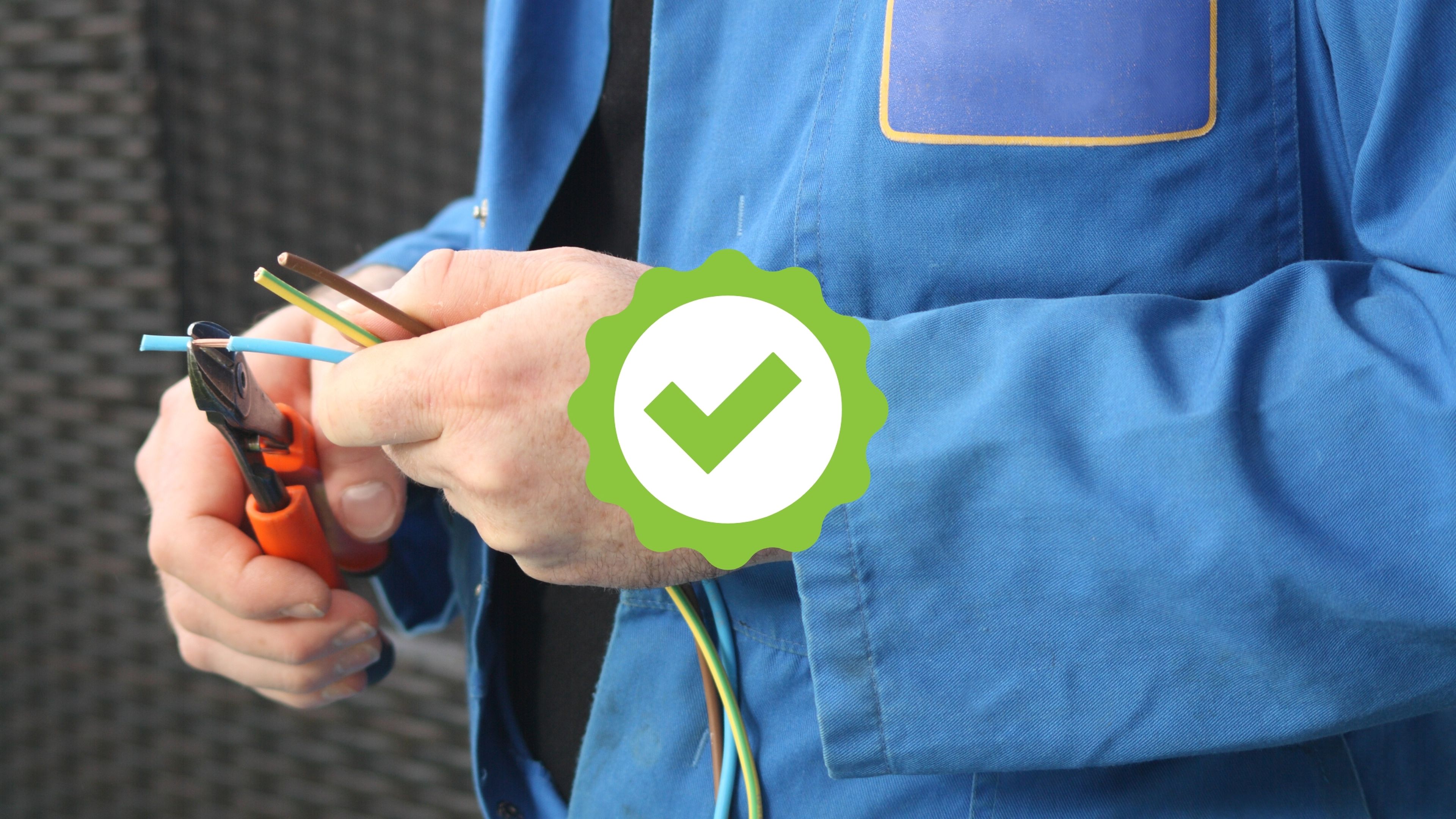
When you face the task of renew electric wiring at homepaying attention to the quality of the cable is crucial to guarantee security and durability. Although it is not always seen, the conductive material inside the cable makes the difference for a reliable installation.
The trick to know if a cable is of good quality is based on identifying whether it is made of pure copper or an aluminum alloy, commonly called alucobre.
Copper is the standard in electrical installations because it offers excellent conductivityIt is resistant to heat and maintains its shape without deforming over time. This ensures that electricity flows without obstacles and reduces the risk of overheating or electrical failures.

Instead, The hallucobre, although cheaper and more light, does not reach the same level of efficiency. Its lower conductivity can cause a temperature increase and, consequently, faster wear or safety risks.
To check what type of cable you have, you can do a simple test: Peel a bit of the isolation at one end and bring a flame of a match. If the metal does not change color or only darkens slightly, it is pure copper. If you acquire a silver tone, it is hallucobre.
Betting on quality cables, preferably copper, and verifying that they comply with current regulations is essential to protect your home and its inhabitants. Do not sacrifice security to save a few euros; In electrical wiring, reliability should never be secondary.
Know How we work in NoticiasVE.
Tags: Curiosities