
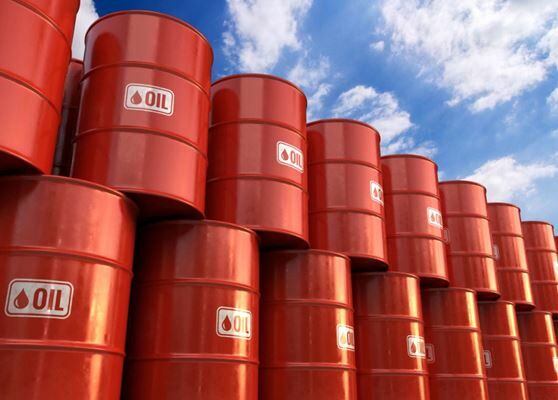
The combination of sanctions, changes in trade routes and more selective demand from large importers is causing an unprecedented situation for Moscow: millions of barrels floating without a defined destination.
A situation that does not respond to a sharp drop in productionbut to an increasingly visible imbalance between export capacity and the real willingness of buyers.
As trade restrictions tighten and Asian refiners’ room to maneuver narrows, Russian oil finds more obstacles to entering the international market.
Fewer commercial outlets and more crude oil at sea
Maritime tracking data shows that Russia has been shipping an average of just over three million barrels per day during recent weeks, a figure similar to that at the end of 2024, but significantly lower than the levels before Christmas.
The difference is not so much in the volume exported as in the final destination of these shipments, which are taking longer and longer to find a buyer.
One of the most relevant changes has occurred in India -which has recently signed a great and historic trade agreement with the EU-, until now one of the main destinations for Russian crude oil.
Deliveries to Indian ports fell in December to around 1.2 million barrels a day, the lowest level in more than three years.
The first weeks of January consolidated this trend, with even more moderate figures. This setback coincides with the entry into force of new European restrictions on refined products made from Russian oil, a a move that has upset Indian refiners’ margins and reduced their appetite for new cargoes.
As a direct consequence, crude oil has begun to accumulate in the sea. The most recent estimates suggest that nearly 140 million barrels remain stored in oil tankers, a figure that represents an increase of about 60 million since the end of summer.
Some of these vessels remain anchored off the western coast of India or in waters near Oman, while others sail without a clear destination or approach enclaves such as the Suez Canal or Chinese ports awaiting instructions.
Floating storage and logistics bottlenecks
The use of floating storage is not new in the energy market, but the current volume is beginning to cause concern.
Some shipments have ended up in facilities in Indonesia, especially in areas such as Karimun or Balikpapanalthough the number of effective downloads remains low.
This traffic jam shows that logistical alternatives are running out and that the room for maneuver for Russian exporters is becoming less and less.
Despite this scenario, export revenues have not suffered an immediate collapse.
The available calculations indicate that The weekly value of Russian maritime crude oil exports is around $920 millioneven with a slight rebound compared to the previous period.
The price of Ural crude oil from the Baltic has been around 38 dollars per barrelwhile Black Sea loads have registered slight increases.
In the case of shipments destined for India, the price has reached levels close to 56 dollars per barrelthe highest in the last month.
However, analysts warn that this apparent stability could be temporary. Tightening control over the so-called shadow fleet and the growing caution of Asian buyers threaten to turn maritime storage into a structural bottleneck.
With India reducing purchases and China becoming more selective in its acquisitions, Russia faces the risk of exporting more oil than it can sustainably supply.